Deciphering the mechanisms underlying insecticide resistance is key to devising appropriate strategies against this economically important trait. Myzus persicae, the green peach-potato aphid, is a major pest that has evolved resistance to many insecticide classes, including neonicotinoids. M. persicae resistance…
The future of potato crop production is a hot topic at Potatoes in Practice (PiP), the UK’s largest field-based potato event on Thursday 8 August in Dundee. Hosted by the James Hutton Institute, in partnership with the SRUC…
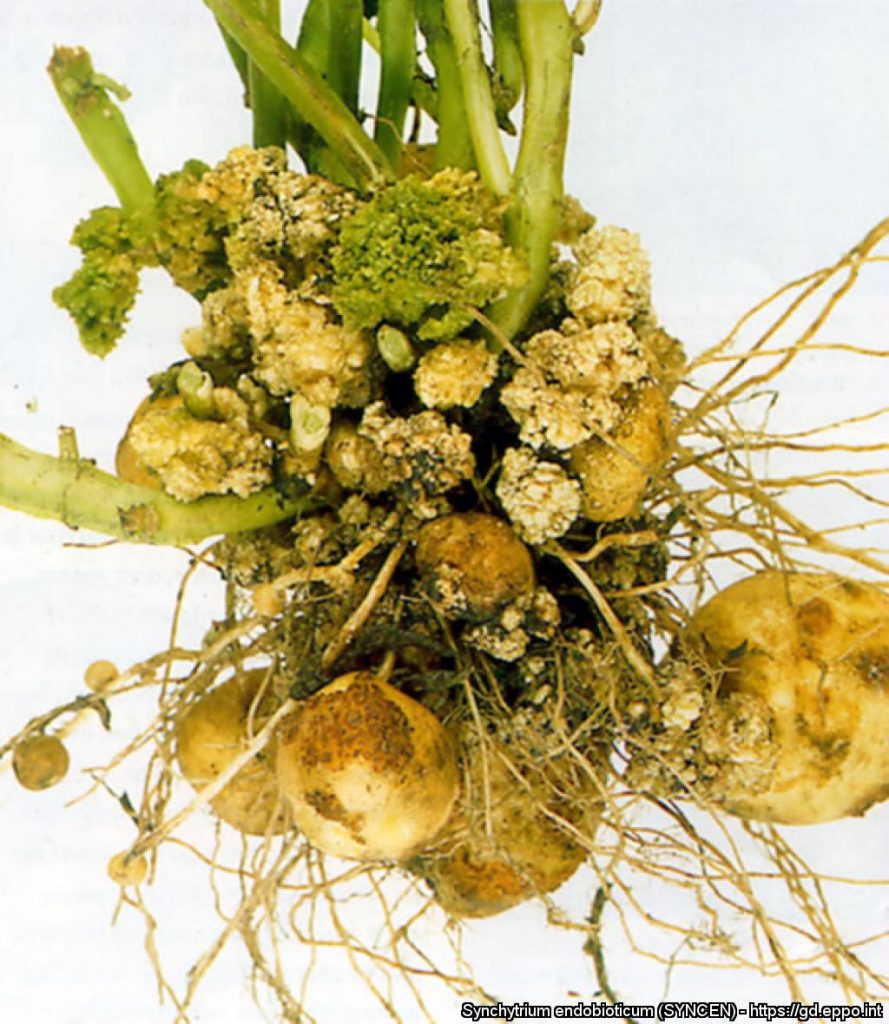
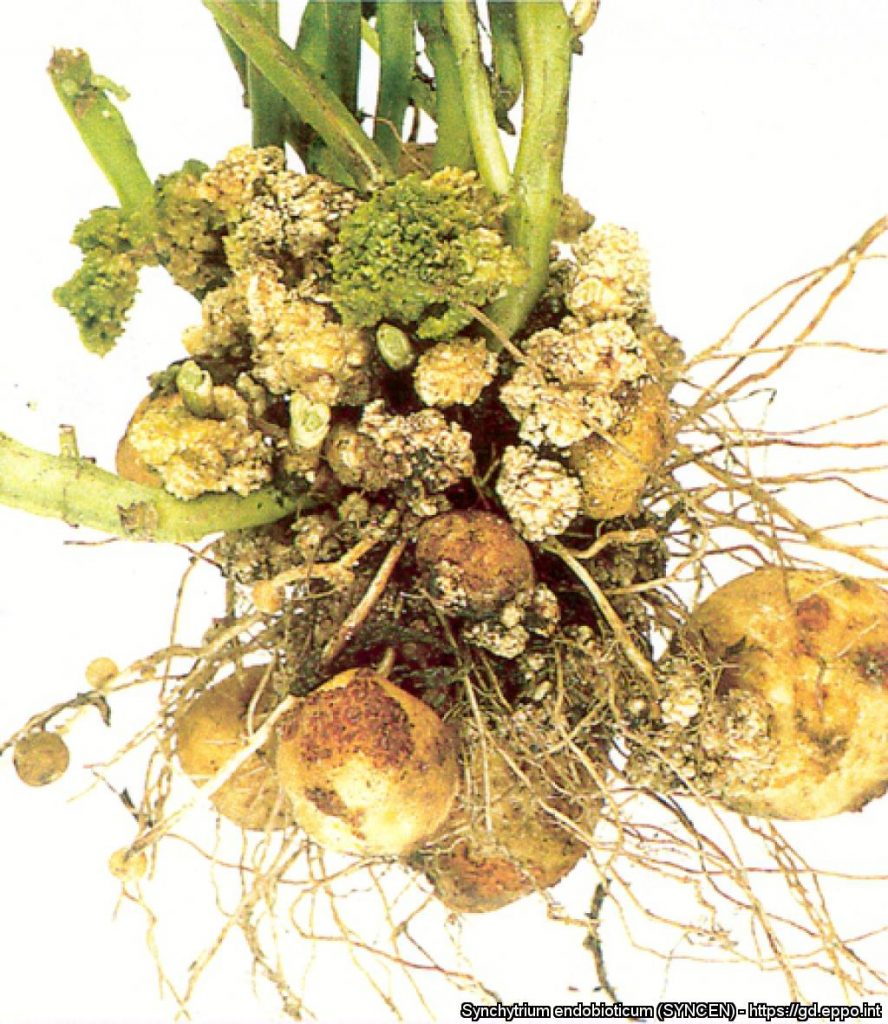
Synchytrium endobioticum is an A2 pest for many regions, and details of its biology, distribution and economic importance can be found in the EPPO Global Database. In the EPPO National Regulatory Control System for S. endobioticum (Standard PM 9/5) no inspection…
Synchytrium endobioticum causes potato wart disease. Synchytrium endobioticum is an obligate parasite which does not produce hyphae but sporangia, which contain motile zoospores. Summer sporangia are thin-walled and short-lived. They are formed in the potato tissue and…
Global Potato Production: China Leads, U.S. Holds Fifth Place In the world of agriculture, potatoes are a staple crop, essential for food security and economic stability. The Food and Agriculture Organization (FAO) of the United Nations has…
Potato wart disease is one of the most important quarantine diseases of potato in the world. The disease is caused by Synchytrium endobioticum, which after infection causes tumour-like outgrowths near a meristematic tissue. The disease has a worldwide distribution…
Climate Challenges and Their Impact on Global Potato Production The potato market across the globe is experiencing significant fluctuations due to varying climatic conditions. Countries from Europe to South Africa and the Americas are witnessing how weather…
Synchytrium endobioticum is a quarantine potato disease in many countries. Potato is the only cultivated host, but wild Solanum spp. are also infected in Mexico. A number of solanaceous plants, including tomatoes, can be artificially inoculated. S. endobioticum is an…
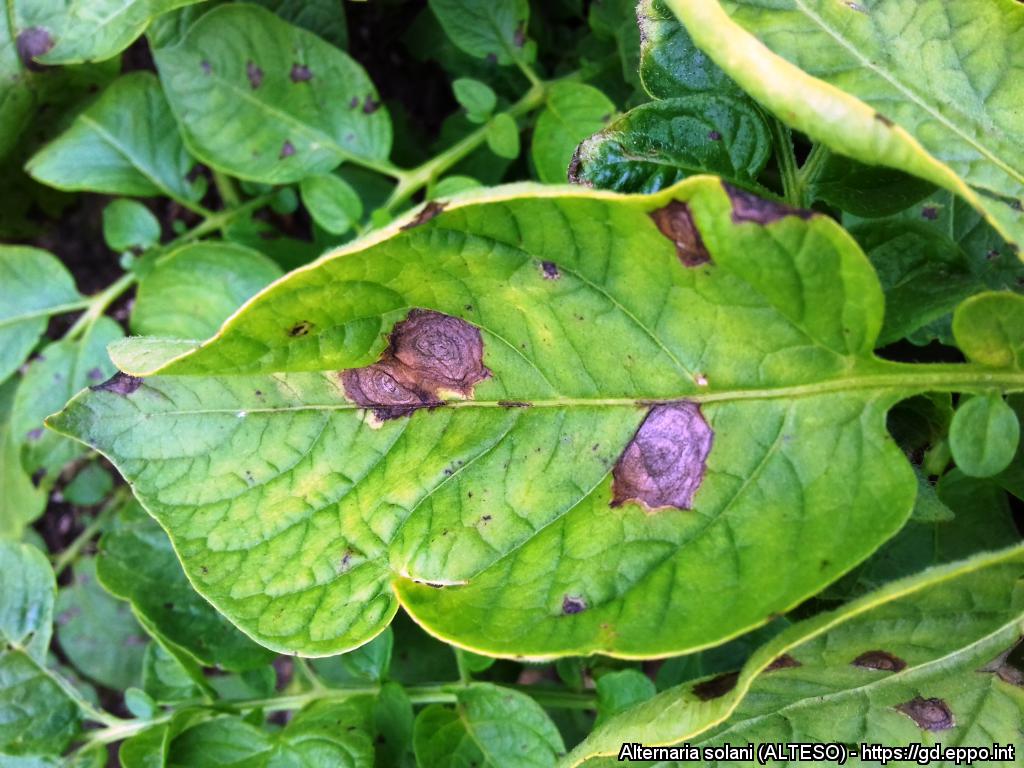
Alternaria spp. cause different diseases in potato and tomato crops. Early blight caused by Alternaria solani and brown spot caused by Alternaria alternata are most common, but the disease complex is far more diverse. Alternaria species adopt a wide variety of lifestyles. They…
The Rising Threat of Late Blight Late blight is the most serious disease affecting potatoes, capable of destroying entire crops within days. This fungus attacks both the foliage and tubers, and its adaptability allows it to quickly…
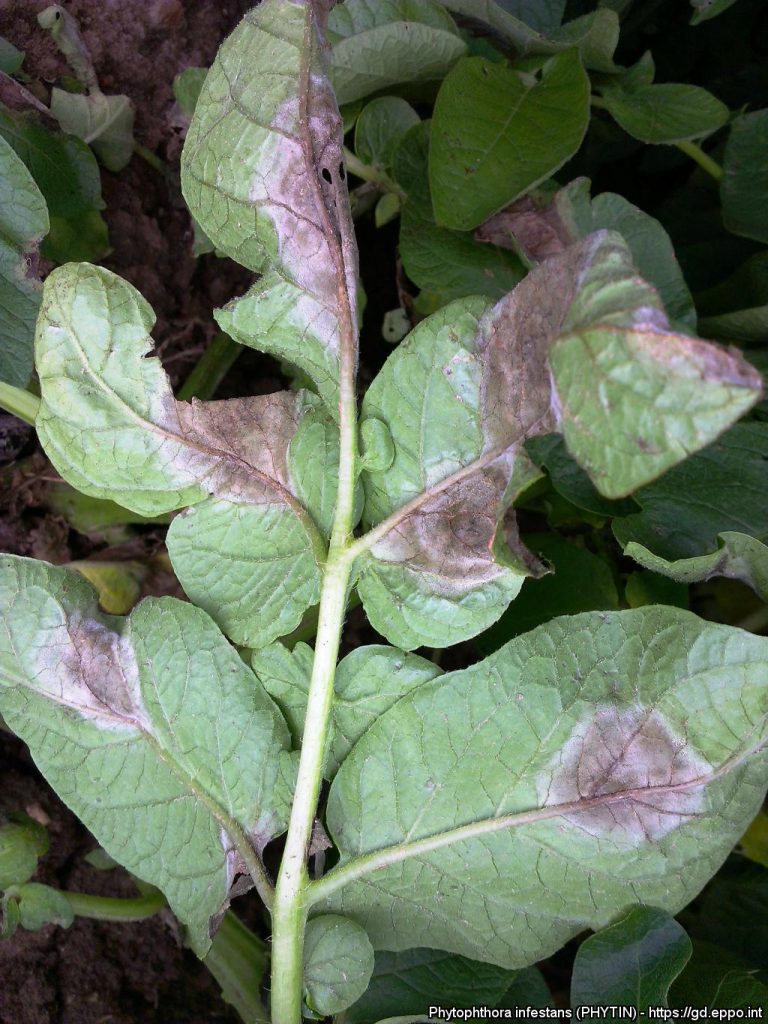
Late blight, caused by Phytophthora infestans, is the most devastating disease of potato worldwide that can cause up to 100% crop loss under disease conducive conditions. The present study was carried out to evaluate and identify effective Trichoderma isolates against…
Met Éireann, The Irish Meteorological Service, has issued a Status Yellow advisory for potato blight across Ireland until tomorrow morning. The national meteorological service indicated that conditions conducive to the spread of potato blight will be particularly…