Ukraine’s Potato Prices Hold at UAH 10–13 per Kilo as Harvest Supply Floods the Market
Ukrainian potato prices are steady at about UAH 12 per kilo as harvest supplies reach markets, while young potatoes cost far more.
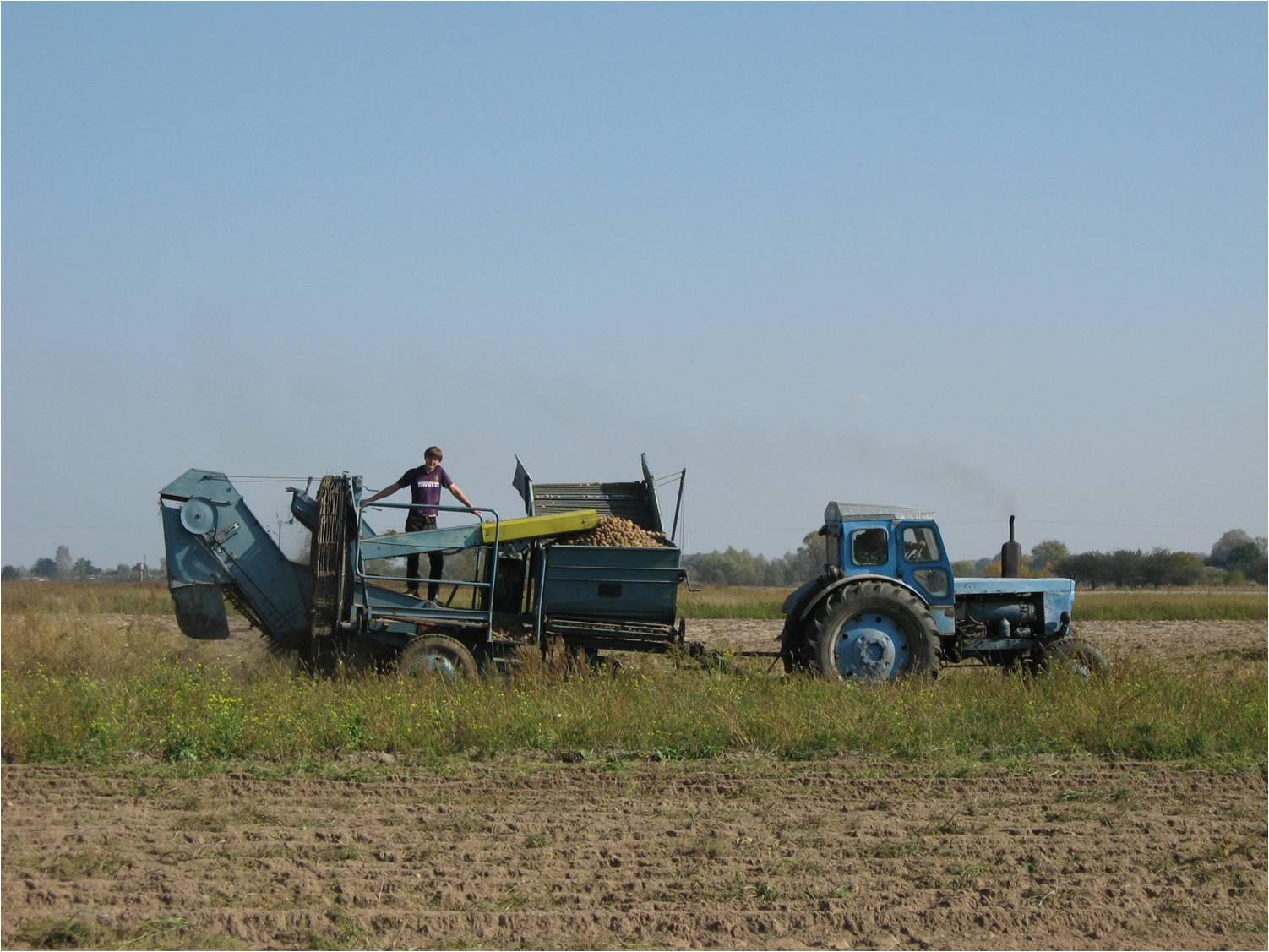
Potatoes in Ukraine traded at UAH 10–13 per kilogram on 12 October, unchanged week on week, with analysts expecting no shortage during harvest — but a wider price gap later between field-fresh and professionally stored produce.
Ukraine’s potato market is enjoying a moment of seasonal calm. As of 12 October 2026, potatoes were priced at UAH 10–13 per kilogram, unchanged from the previous week, according to data from Kyiv’s Stolichny market cited by business portal Delo.ua (author Tetiana Kovalchuk).
The wider vegetable basket showed mixed movement. Onions and carrots held at UAH 14–16 per kilo, tomatoes at UAH 55–65, while cucumbers fell more than 8% to UAH 50–60. Hercules bell pepper dropped almost 17% to UAH 45–55. Average prices, per the report’s aggregation, put potatoes at about UAH 12 per kilo, beetroot at UAH 14, onions and carrots at UAH 15 each, and cabbage at UAH 17. In retail chains, ATB was flagged as offering the cheapest potatoes, while Novus had the cheapest cabbage at UAH 18.99 per kilo; Silpo was noted for the widest vegetable assortment. Beyond the borscht set, the market showed the usual mid-October drift: prices for eggplants, Chinese cabbage and broccoli held at previous levels, making Hercules pepper the week’s biggest mover. The currency backdrop stayed quiet — the National Bank rate displayed with the report stood at UAH 44.89 per dollar and UAH 50.31 per euro, barely moved on the day. One curiosity: young Ukrainian potatoes are trading at UAH 50–80 per kilo, with the report stating their price rose 200% over the week — a niche premium segment moving independently of the main crop.
Looking ahead, Delo.ua’s prognosis is reassuring for the near term: no potato shortage is expected during harvest. On the contrary, the first half of October may see a supply surplus as large volumes hit the market simultaneously. The picture could change in late autumn and winter, however. Potatoes from farms lacking storage facilities will gradually leave the market, and storage losses may increase — so the price difference between post-harvest potatoes and produce from professional storage could widen. Further out, the report warns of a possible onion shortage in spring 2027, as producers reduced planted areas, this season’s yields fell, and export demand for Ukrainian onions is growing. The structural message for the trade is familiar but worth restating: value migrates toward storage capacity. Farms without professional storage must sell into October’s glut at whatever the market gives; operators with modern facilities can hold product into the winter window, when field supply thins and storage losses push quality premiums up. The report’s expectation of a widening price gap between post-harvest and professionally stored potatoes is, in effect, a margin forecast for the storage segment.
Weather remains the swing factor for the whole vegetable complex: a warm, dry autumn would extend field supply of cucumbers and tomatoes and press prices down, while a sharp cold snap would do the opposite.
For potato growers and traders, the message is classic post-harvest economics: the market is absorbing the crop smoothly now, but value will increasingly migrate toward those who can store well into winter.
Sources: OBOZ.UA, 13 Oct 2026; RBC-Ukraine / EastFruit, 12 Oct 2026; dengi.ua, 12 Oct 2026