Globaler Kartoffelmarkt: Wichtige Trends, Herausforderungen und Sektoraussichten
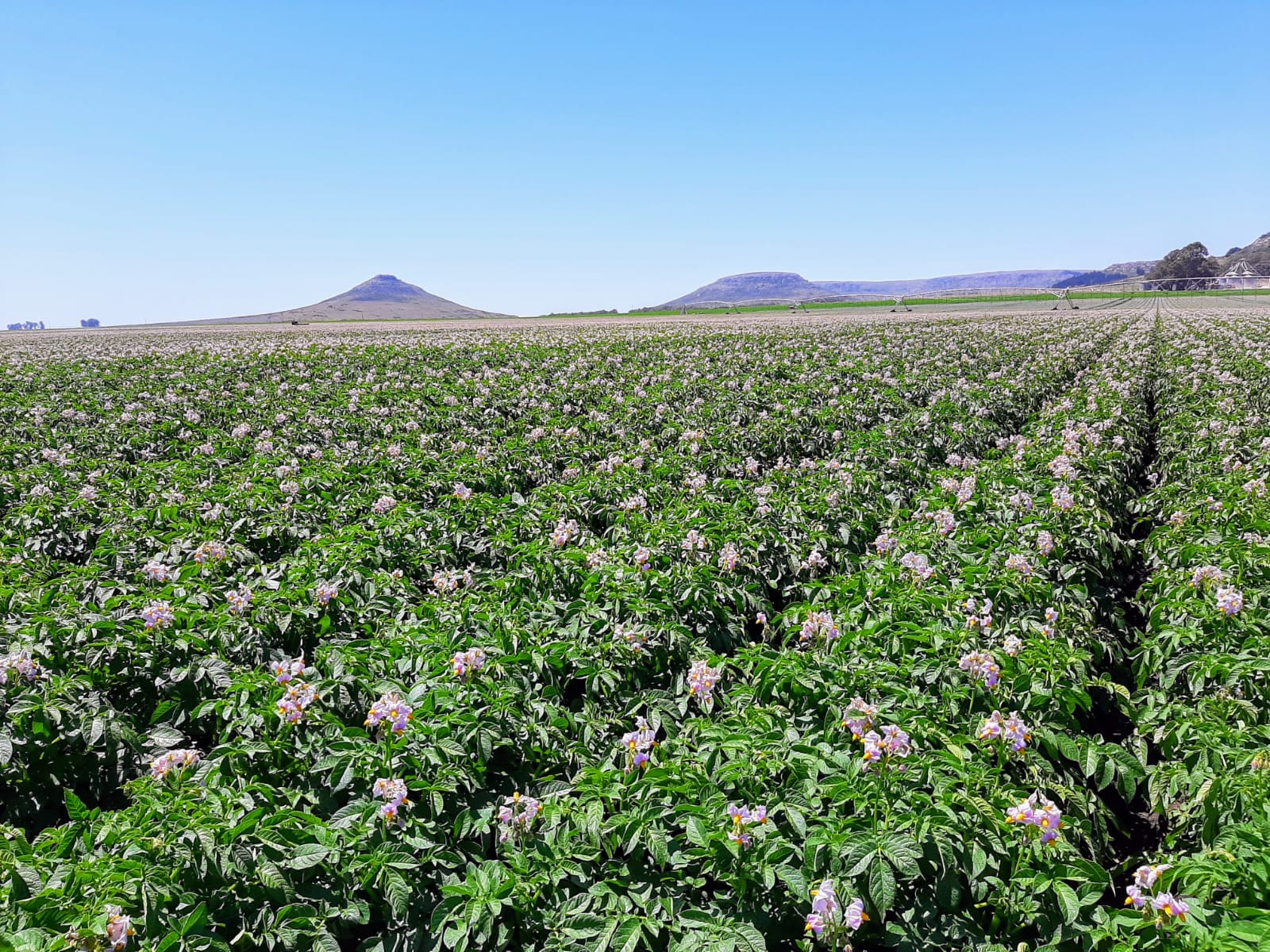
Die Kartoffelindustrie weltweit passt sich an sich ändernde wirtschaftliche und klimatische Bedingungen an. Eine Übersicht über aktuelle Entwicklungen im Agrarsektor zeigt gemischte Dynamiken – von Rekordpreisen in einigen Regionen über technologische Durchbrüche bis hin zu phytosanitären Herausforderungen.
The global potato market is influenced by numerous factors, from the effectiveness of government support for smallholders to global climate shifts that alter traditional crop cultivation cycles.
Marktschwankungen und Preisgestaltung
Die Kartoffelpreise in den Erzeugerländern zeigen eine starke Abhängigkeit von lokalen Bedingungen:
- Temporary Supply Fluctuations: Shifting weather conditions and regional rainfall frequently cause short-term harvest delays, leading to localized spikes in wholesale prices. However, once harvesting resumes, the market quickly saturates, returning to downward trends.
- Auswirkungen von Logistik und Ressourcenkosten: Steigende Kosten für Kraftstoffe, Energie, Düngemittel und Pflanzenschutzmittel belasten die Endproduktionskosten und zwingen Landwirte, Wege zur Optimierung der Ausgaben zu suchen.
Phytosanitäre Herausforderungen und Forschungsaktivitäten
Veränderte klimatische Bedingungen aktivieren gefährliche Schädlinge und Pathogene, was Landwirte dazu veranlasst, innovative Pflanzenschutzmaßnahmen zu ergreifen:
- Integrated Pest Management (IPM): Moving away from exclusively chemical control methods toward biological products and crop rotation is becoming a top priority for maintaining yields.
- Monitoring and Early Warning: Research institutes are actively deploying predictive models based on meteorological data, enabling precise determination of disease risks and minimizing pesticide application.
- Züchtung resistenter Sorten: Die Züchtung von Kartoffelsorten, die Klimaschwankungen standhalten und Widerstandsfähigkeit gegen Schlüssel-Schädlinge aufweisen, bleibt der Hauptansatz für die Entwicklung von Zuchtprogrammen.
Staatliche Unterstützung und Ernährungssicherheit
Producers’ access to certified seed material of the highest quality is a foundational condition for sector sustainability. The experience of agricultural regions shows that state subsidy programs and technical training for small-scale farmers play a key role in ensuring stable production volumes and maintaining national food security.