China: Die Kartoffelstärkebestände steigen um 52.56 % im Jahresvergleich, während die Produktion der neuen Saison beginnt
Die Kartoffelstärkebestände in China liegen deutlich über dem Vorjahresniveau. Die nationalen Vorräte beliefen sich auf etwa 514,000 Tonnen am 14. September, laut einem Marktbericht von Hexun vom 16. September.
That volume was 1.53% lower than a month earlier. However, it was 52.56% higher than at the same time last year.
Nordchina hielt etwa 188,000 Tonnen der Gesamtmenge. Nordwestchina hielt etwa 301,000 Tonnen.
Prices drift lower
Der durchschnittliche Marktpreis für Kartoffelstärke der ersten Qualität lag am 14. September bei 5,381.64 Yuan pro Tonne. Er lag um 1.16 % unter dem Niveau vom Ende August. Er lag auch um 4.59 % unter dem Preis vom Vorjahr.
New-season processing has started at different speeds across the country. Factories in Hebei and Inner Mongolia have entered their peak season. Autumn production has started in Shaanxi. Plants in Gansu and Ningxia had not yet started, according to the report.
Rohstoffkosten stiegen, dann fielen sie
At the start of the campaign, some starch makers raised the price they paid for starch potatoes. The benchmark grade moved from 400 yuan per tonne to 430–450 yuan per tonne. The aim was to use higher costs to push starch prices up.
Die Entwicklung hielt nicht lange an. Der Einkaufspreis fiel später wieder auf 380 Yuan pro Tonne, wie im Bericht angegeben. Mit niedrigeren Kosten und einem größeren Angebot als der Nachfrage erwartet der Bericht, dass die Stärkepreise nach Mitte September weiter fallen könnten.
The report describes the market as one where oversupply is hard to reverse. New-season starch is priced on its production cost, so cheaper raw potatoes feed directly into lower starch offers.
Warum das wichtig ist
China is a major producer of potato starch, and the northern campaign sets the tone for the whole season. High carry-over stocks and falling raw material prices put pressure on both factory margins and the incomes of farmers who grow potatoes for starch. Growers on contract are better protected than those selling on the open market. Buyers of starch in food and industry may find more room to negotiate in the coming weeks. The figures come from one market report, so they should be read as an indication rather than an official statistic.
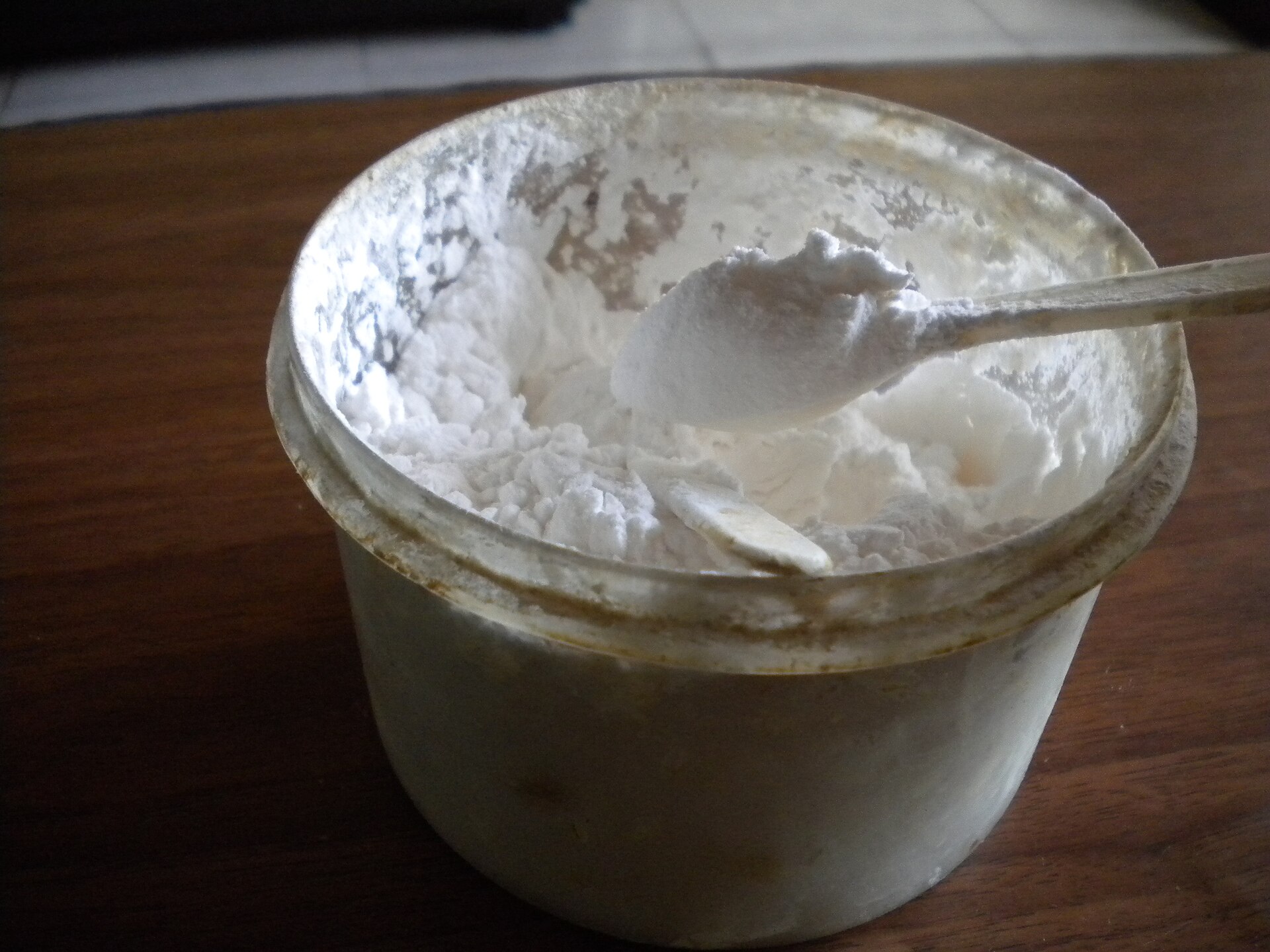
Bild: Kartoffelstärke (illustrativ). Onlymyself65536 / Wikimedia Commons, CC BY-SA 3.0